If you’ve received your Closing Disclosure from your lender, congratulations! You’re almost at the finish line of your home buying journey, ready to celebrate with keys in hand. The Closing Disclosure, or CD, is provided at least three business days before your closing appointment and details your loan terms, projected monthly payments, and the much-discussed “cash to close.” But what exactly is “cash to close,” and how is it calculated?

What is “Cash to Close”?

“Cash to close” is the total amount you’ll need to bring to your closing appointment to finalize your home purchase. It includes your down payment and closing costs, which are necessary to officially transfer ownership of the property to you. Each fee has a specific purpose, ensuring the legal and financial security of both you and the lender.

Breaking Down Closing Costs

Closing costs are part of the cash to close and cover a range of legal, administrative, and logistical fees associated with your mortgage. Here’s a look at some common components:

  • Appraisal Fees: Typically paid by the buyer, this fee covers the cost of determining the fair market value of the home.
  • Attorney Fees: These include charges for preparing closing documents and conducting a title search.
  • Title Insurance: Provides protection if a third party claims ownership of the property.
  • Application & Origination Fees: Cover lender costs for processing and underwriting your loan.
  • Mortgage Insurance: Required for certain loans, this protects the lender if you default.
  • Funding Fees: Charged for specific loan types like FHA, USDA, or VA loans.
  • Pest Inspection Fees: Usually for termite inspections, particularly in certain areas or on specific property types.

Each of these fees will be listed individually on your CD and contribute to your total cash to close amount. Some lenders may allow you to roll certain costs into your loan, but this varies and depends on factors like loan type and lender policies.

Earnest Money Deposit (EMD) and Down Payment

If you made an earnest money deposit when you agreed to purchase the home, this amount is held in escrow and typically applied toward your closing costs. The down payment, a major part of the cash to close, is based on your loan type and the amount you agreed to put down, which can range from as little as 0% to as much as 20% or more of the purchase price. Your lender will review and confirm these details well before closing.

Payment Options for Closing Costs

Lenders usually require a certified payment method. Here are a few options to consider:

  • Cashier’s Check: The most common form, which you can get from your bank. You’ll need the exact amount and payee information.
  • Certified Check: Another bank-issued option, ensuring funds are available and verified.
  • Wire Transfer: Convenient but requires advanced planning. Wire transfers can take a few days and should be carefully verified to avoid fraud.

Note: Cash, personal checks, and credit/debit cards aren’t accepted due to the high amounts and to ensure clear documentation of funds.

Verify all details on your Closing Disclosure and double-check your payment method with your lender. By staying informed and preparing early, you can ensure a seamless transition to homeownership.

Understanding “cash to close” can alleviate some of the uncertainty around finalizing your mortgage and help you walk confidently into your new home!

Read More

This week, the Federal Reserve’s preferred inflation data was released, and the results met expectations. This, along with recent GDP estimates, employment reports, and personal income/spending figures, paints a stable economic picture. It suggests that we may be on track for the Federal Reserve’s next round of rate cuts. The Federal Reserve has consistently stated its 2% inflation target and current figures show inflation at 2.1%. This indicates that a ‘soft landing’ for the economy could be within reach.

PCI Index

Prices in the U.S. rose modestly in September, but not enough to suggest inflation is rekindling or to prevent the Federal Reserve from cutting interest rates. The Fed’s preferred PCE index moved up 0.2% last month, the government said Thursday. That matched the forecast of economists polled by The Wall Street Journal.

The increase in inflation in the past 12 months slowed to 2.1% from 2.3%, leaving it just a hair above the Fed’s 2% target.

Consumer Spending

Consumer spending and incomes both rose in September, signaling continued strength in the primary driver of the U.S. economy. Household spending increased by a solid 0.5% for the month, surpassing the 0.4% rise economists had anticipated in a Wall Street Journal poll. Incomes also grew by 0.3% in September. Overall, consumer spending surged by 3.7% in the third quarter, marking the largest increase in a year and a half.

GDP (Estimates)

The U.S. grew at a brisk 2.8% annual pace in the third quarter, powered by another sharp increase in consumer spending that appears primed to extend a four-year-old economic expansion into next year.

Primary Mortgage Market Survey Index

  • 15-Yr FRM rates saw an increase of 0.28% with the current rate at 5.99%
  • 30-Yr FRM rates saw an increase of 0.18% with the current rate at 6.72%

MND Rate Index

  • 30-Yr FHA rates saw a 0.26% increase for this week. Current rates at 6.62%
  • 30-Yr VA rates saw a 0.26% increase for this week. Current rates at 6.64%

Jobless Claims

Initial Claims were reported to be 216,000 compared to the expected claims of 228,000. The prior week landed at 227,000.

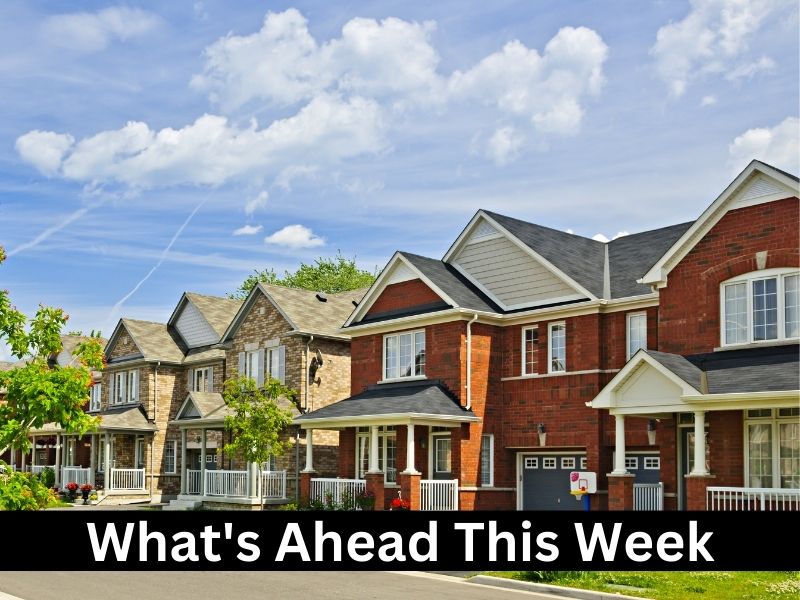
What’s Ahead

Next week, the Federal Reserve is set to announce another rate decision, followed by several other important reports. These include final manufacturing figures from S&P Global PMI data, the University of Michigan Consumer Sentiment report, and Consumer Credit reports.

Read More

It’s Halloween season, and while it’s fun to enjoy spooky decorations and scary movies, there’s nothing fun about feeling haunted by your mortgage—especially if you owe more on your home than it’s currently worth. If you’re feeling trapped in an underwater mortgage, don’t let it send chills down your spine! Refinancing your mortgage can be the solution to break free, no matter how far underwater you are.

What Is an Underwater Mortgage?

An underwater mortgage occurs when the balance you owe on your home loan is higher than your home’s current market value. This can happen for a variety of reasons, including market fluctuations, neighborhood decline, or unforeseen economic conditions. While being underwater can feel like you’re stuck in a haunted house, it’s important to remember that you have options, and refinancing might be the best way to make your mortgage situation more manageable.

Government Programs for Underwater Homeowners

One of the most effective ways to refinance when you’re underwater is through special government-backed programs designed for homeowners who owe more than their home’s value. The Federal Housing Administration (FHA) offers the FHA Streamline Refinance, a program that makes it easier for underwater homeowners to refinance without needing to meet home equity requirements. Similarly, the VA Interest Rate Reduction Refinance Loan (IRRRL) provides an option for veterans and service members to refinance their VA loans into lower interest rates or more favorable terms, even if they owe more than their home is worth. These programs are like finding a flashlight in the middle of a dark maze—helping you see a way out when you might feel lost.

Conventional Refinancing Options

But what if you don’t qualify for a government-backed refinance? Don’t let that give you nightmares! There are still conventional refinancing options available for underwater homeowners. Many lenders offer refinancing solutions that can help you secure a better interest rate or switch from an adjustable-rate mortgage (ARM) to a fixed-rate loan. Switching to a fixed-rate loan can give you the security of stable monthly payments, so you’re no longer spooked by the unpredictability of fluctuating rates. Even when home values are down, these options allow you to take control of your financial future and breathe easier, knowing that your payments are more manageable.

Shortening Your Loan Term

Refinancing also offers the opportunity to shorten your loan term. If you currently have a 30-year mortgage, for example, you could refinance into a 15- or 20-year loan. While your monthly payments may be higher with a shorter-term mortgage, you’ll be able to pay off your loan faster. This can be especially helpful if you’re looking to rebuild equity more quickly. When home values eventually rise again, you’ll be in a stronger financial position, and the mortgage that once felt like a curse will no longer weigh you down.

Don’t Let Your Mortgage Haunt You

Refinancing might sound intimidating, but it doesn’t have to be. With the right lender or program, you can escape the clutches of your underwater mortgage and gain financial peace of mind. Don’t let the fear of being underwater keep you from exploring your options. By refinancing, you can lock in a lower rate, secure more favorable terms, and potentially shorten your loan’s lifespan—all of which will help you regain control of your finances.

Remember, Halloween is the season for ghosts and ghouls, not for being haunted by your mortgage. With refinancing options available, you don’t have to live in fear of your underwater mortgage forever. Instead, you can transform a seemingly spooky financial situation into an opportunity to improve your future.

Read More