
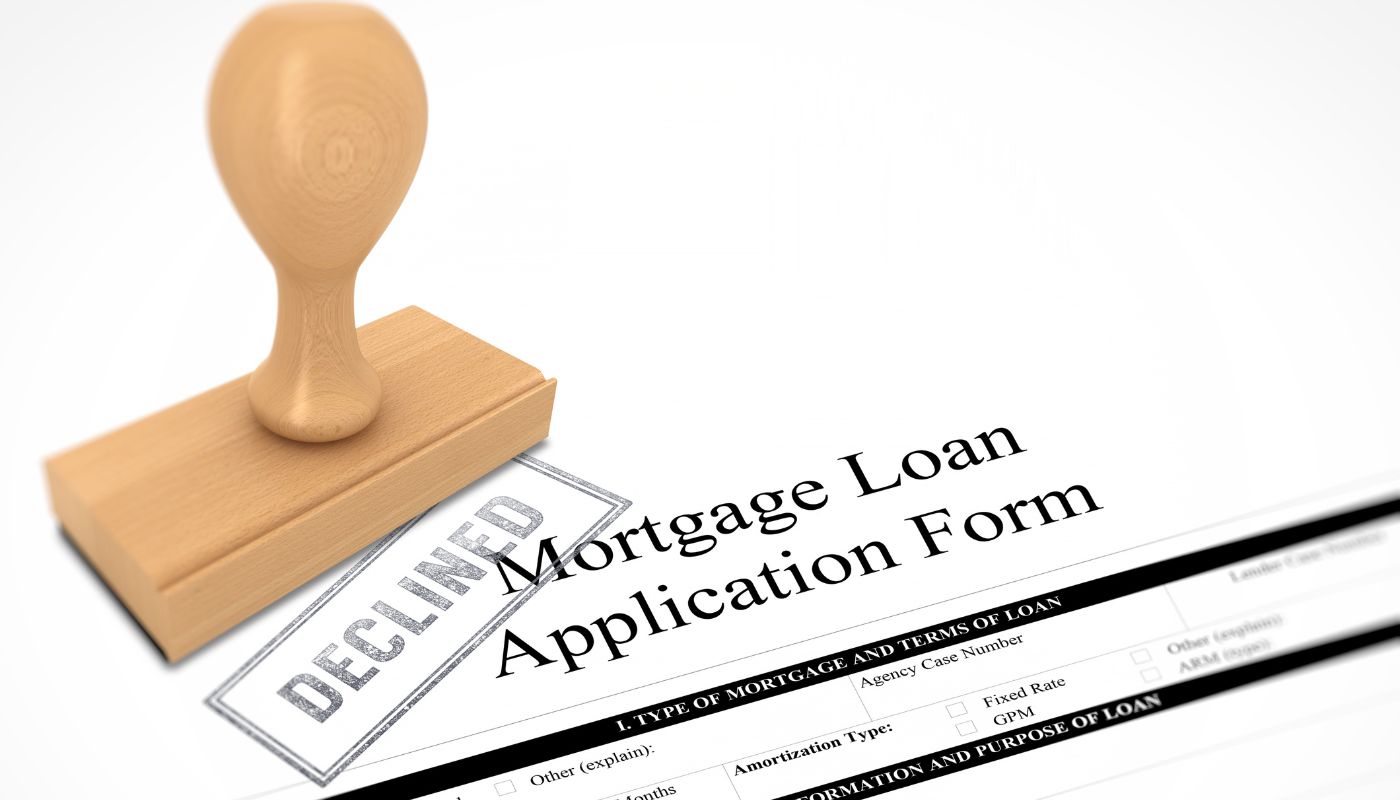
 If you have been declined for a mortgage, you may think that buying that new home is out of reach. However, there are ways to turn a rejection into an approval and to find a more accessible loan. Here are just a few steps you can take to learn about your loan options and get the mortgage that works for you.
Find Out Why The Mortgage Application Was Denied
The first step to getting a second opinion is to find out why your mortgage application was denied. Banks commonly deny mortgages for reasons like a low credit score, a high debt-to-income ratio, or concerns about the applicant’s past and present employment status.
To qualify for a mortgage, most lenders want to see someone with a credit score of 640, a debt-to-income ratio of less than 43 percent after the mortgage is included and at least 30 days in your current position if using wage income to qualify for the loan.
Not All Lenders View An Application The Same Way
A good reason why it is worthwhile to ask for a second opinion about your ability to get a loan is because no two lenders will view an application the same way. For one lender, a credit score of 650 is insufficient for getting a loan – but another lender might be more than happy to offer you a mortgage with a score of 650. To get a second opinion, you may wish to talk to a mortgage broker who will be able to scan a variety of loan programs to find one that works for you.
There Are Ways To Find Down Payment And Closing Cost Assistance
Those who have a low credit score or other questionable metrics may be able to qualify for a loan by offering a larger down payment. While a first-time buyer may not have the cash on hand to make a larger payment, there may be programs that provide grants or low-interest loans that can be used as part of your down payment or to help pay closing costs. With this extra money, it may be possible to overcome lender objections and obtain a mortgage.
If your mortgage application has been rejected, it doesn’t mean that you can’t get a mortgage from another lender. If you’re ready to buy a house but just need to clear the mortgage approval hurdle, there are ways to get a leg up.
 A closed-end second mortgage is a type of loan that allows a borrower to obtain a lump sum of money using their home as collateral. It is considered a “second” mortgage because it is taken out in addition to the borrower’s primary mortgage.
 When a borrower applies for a mortgage loan, the lender typically requires proof of insurance coverage before they approve the loan. An insurance binder is a document issued by the insurance company that provides temporary proof of insurance coverage until the official insurance policy is issued.